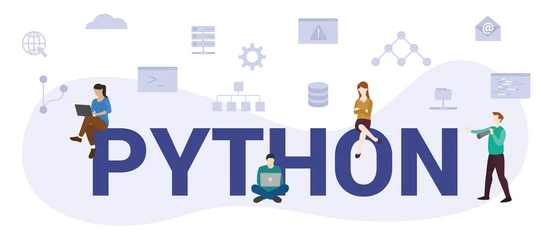
Learning Python is one of the best decisions a beginner can make, whether you are a student, job seeker, or simply curious about programming. Python is known for being simple, readable, and extremely versatile. But the fastest and most effective way to learn Python is by building real projects. Projects help you apply concepts, understand how code actually works, and gain the confidence to take on more advanced challenges later.
Below are five beginner-friendly Python projects that teach practical, job-ready skills while helping you enjoy the learning process.
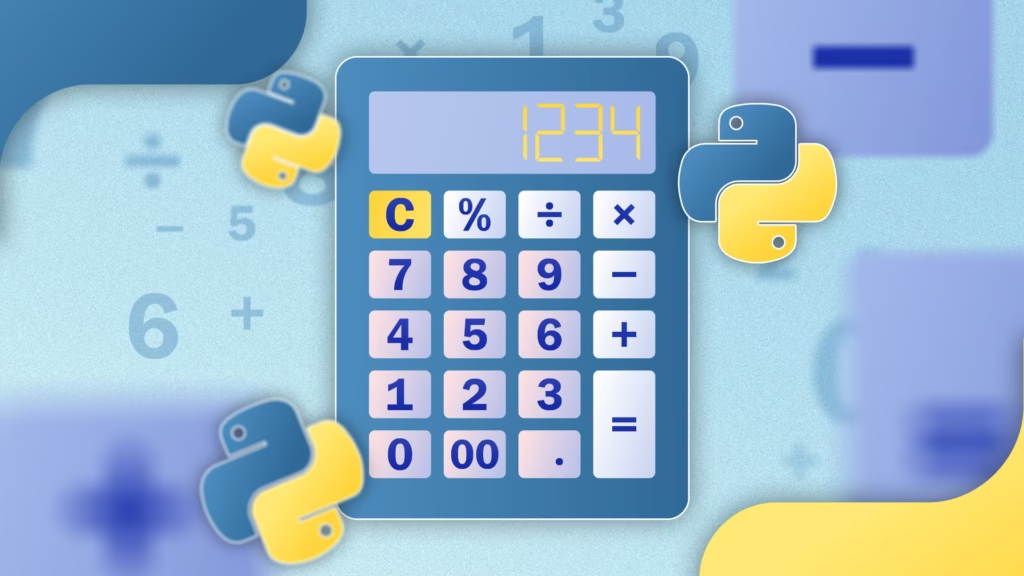
1. Basic Calculator : Understanding Program Flow
One of the simplest ways to start learning Python is by building a basic calculator. It may sound small, but this project teaches the core foundation of programming: taking input, performing calculations, and returning output to the user.
With this project, beginners learn how to work with variables, functions, conditionals, loops, and basic arithmetic. You also learn how programs flow from step to step and how user-input impacts the results.
Once you master a simple calculator, you can expand it to support scientific functions, percentages, multiple operations, or even build a small text-based menu. This project is simple enough for beginners yet powerful enough to build confidence for the next steps.
2. Password Generator : Learning Randomization and String Handling
A password generator is a fun and practical project that teaches you how to use Python’s built-in libraries. Using the random module, you can generate secure passwords that include numbers, symbols, uppercase letters, and lowercase letters.
This project helps you understand string manipulation, lists, loops, and randomness — concepts used in cybersecurity, automation, and testing. It also teaches how to combine multiple pieces of logic to create useful output.
As you progress, you can add strength checkers, password length options, or save generated passwords to a file. This project introduces problem-solving and creativity while teaching real-world Python skills.

3. To-Do List App : File Handling and Productivity Tools
A to-do list application is one of the best beginner projects because it teaches file handling — a crucial part of backend development and automation. In this project, you create a program that allows users to add tasks, delete tasks, and view task lists.
You also learn how to read from and write to text files, which simulates how real systems store data. This is the same concept used in log files, configuration files, and database-like storage in small projects.
Students who complete this project gain stronger organizational thinking. You learn how to structure data, update it, and present it to the user — exactly how many real applications work behind the scenes.

4. Number Guessing Game : Practicing Loops and Logic
This is one of the most popular beginner Python projects because it combines fun with learning. The computer chooses a random number, and the player tries to guess it in the fewest attempts.
This project helps beginners understand loops, conditionals, comparison operators, and how to handle invalid user input. You also learn how to use Python’s random library in a simple and interactive way.
Once you complete the basic version, you can enhance it with difficulty levels, scoring systems, attempt limits, or even a graphical version using Tkinter. This game teaches logical thinking and improves your understanding of how programs make decisions.

5. Weather App Using an API : Learning Real-World Skills
The weather app is often considered a beginner’s first “real” Python project because it introduces APIs, JSON data, and error handling.
With this project, you use an online weather API to fetch real-time temperature, humidity, and conditions. Then you display that information cleanly to the user.
This project teaches:
How to send requests to APIs
How to handle JSON responses
How to interpret external data
How to manage errors like wrong city names or failed connections
API integration is a highly valuable skill used in web development, automation scripts, mobile apps, and data analysis tools. Completing this project makes beginners feel like true developers.

Key Areas Strengthened by These Python Projects
- Logic Building: Learned through the Calculator project and the Number Guessing Game, helping beginners understand program flow, decisions, and loops.
- Using Libraries: Projects like the Password Generator and Weather App introduce important Python libraries such as
random,requests, andjson. - File Handling: Practiced in the To-Do List App, where students learn how to save, read, and update information stored in files.
- External Data Integration: The Weather App teaches how to fetch and process live data from APIs, a valuable real-world development skill.
- User Input & Output Formatting: Each project reinforces accepting user input, validating it, and presenting results clearly.
- Problem Solving & Creativity: Combining logic, libraries, and structured outputs improves the ability to think critically and solve practical problems.
By completing all five projects, beginners build a solid foundation in Python and develop practical skills that employers highly value.
Additional Tips for Learning Python Faster
To learn Python efficiently, start with simple tasks and gradually increase complexity. Practice consistently, even if it’s just 20 minutes a day. Try modifying your projects — adding new features or improving the design — because this is where real learning happens.
Make sure to read other people’s code as well. Platforms like GitHub, Stack Overflow, and documentation pages expose you to new techniques and coding styles. Most importantly, don’t be afraid of making mistakes. Debugging is a major part of becoming a good programmer.
Conclusion
Python is a great starting point for anyone new to programming, and the easiest way to learn it properly is by trying out small, hands-on projects. Each of these five projects teaches you something practical — from handling user input to working with files or pulling data from the internet. As you build them, you start to understand how different parts of the language fit together and how real programs actually work.
After working through a few projects, most beginners notice that Python starts to feel more comfortable and less intimidating. Bit by bit, you develop the problem-solving habits that programmers use every day. This foundation makes it much easier to move into areas like automation, web apps, or even data science later on. With regular practice, Python becomes a useful tool you can rely on for study, work, and everyday problem-solving.
FAQ Section for Python Beginners
Is Python difficult for beginners to learn?
Not really. Python is one of the easiest programming languages to start with because the syntax is simple and easy to read. Most beginners pick up the basics within a few days of practice.
Do I need a strong computer to run Python?
No, Python runs smoothly on almost any laptop. Even older systems can handle basic programs, beginner projects, and simple data work without any issues.
How long does it take to become comfortable with Python?
With consistent practice, most students feel confident in 3–6 weeks. The key is working on small projects instead of only watching tutorials.
Are projects important for learning Python?
Yes. Projects help you apply concepts in real situations, which is the fastest way to learn. Even simple programs—like calculators or guessing games—build real programming habits.
Is Python useful for jobs and internships?
Absolutely. Python is used in web development, automation, data science, AI, app development, and many technical roles. Even entry-level internships value Python skills.
Do I need to learn math to use Python?
Only basic logic and arithmetic are needed for beginner projects. Advanced math comes into play only in specific fields like data science or machine learning.
Should I learn Python or HTML first?
It depends on your goals. If you want to build websites, start with HTML/CSS. If you’re more interested in programming, automation, or data, start with Python.
Can I learn Python without any previous coding experience?
Yes. Python is one of the best first languages because it teaches problem-solving without overwhelming you with complicated syntax.
How can students practice Python effectively?
Start with small projects, experiment with code, recreate simple apps, and gradually explore new libraries. Hands-on practice is much better than memorizing tutorials.